


-

Add: HeBei ShengShi HongBang Cellulose Technology CO.,LTD.
-

Email
13180486930@163.com -

CONTACT US
+86 13180486930




HPMC dextran has garnered considerable attention in the field of pharmaceuticals and biomedical applications due to its unique properties, which combine the advantageous traits of both hydroxypropyl methylcellulose (HPMC) and dextran. Products leveraging HPMC dextran are consistently praised for their versatility and effectiveness, established through comprehensive research and user feedback. Developed through the meticulous binding of HPMC, a water-soluble polymer, with dextran, a polysaccharide, this compound offers exceptional film-forming capabilities, stability, and bioadhesive properties. The synthesis involves careful selection of molecular weights and degrees of substitution to optimize the product for intended applications, ensuring it stands out in the competitive market. In terms of expertise, the robust applications of HPMC dextran cover a wide spanning array, from tablet coating to drug delivery systems and even surgical adhesion prevention. With precision control over its solubility and viscosity, HPMC dextran can be tailored to enhance the controlled release of active pharmaceutical ingredients (APIs). This ensures a prolonged therapeutic effect and improved patient compliance, a critical factor in the pharmaceutical industry. One notable application is in ophthalmology, where HPMC dextran is utilized in developing advanced tear substitutes. These formulations mimic natural tears, providing sustained moisture and comfort to patients suffering from dry eye conditions. Clinical studies consistently report high patient satisfaction, underscoring the trustworthiness of products containing HPMC dextran. Patients often note significant improvements in their symptoms, attributing their enhanced comfort to the consistent film-forming capability of HPMC dextran. hpmc dextran The authoritative nature of HPMC dextran also extends to its role in wound care . Its bioadhesive properties promote prolonged contact with wound surfaces, delivering continuous hydration and barrier formation, which are critical in accelerating the healing process. Medical professionals have documented faster recovery times and reduced scarring, enhancing its reputation as a reliable choice in wound management solutions. Research continues to explore this compound's potential, promising future innovations that could further cement its status in the medical community. Trust in HPMC dextran products is further validated by rigorous quality control processes implemented during manufacturing. Adherence to international standards, such as GMP (Good Manufacturing Practice), ensures the reliability and safety of these products. Each batch undergoes extensive testing for purity, potency, and stability, providing assurance to both healthcare providers and patients. Real-world experiences with HPMC dextran reveal its impact on patient outcomes and commercial success. Testimonials from both medical practitioners and end-users highlight the ease of use, effectiveness, and adaptability of HPMC dextran-based solutions. Such positive feedback reinforces its esteemed position in the pharmaceutical industry, continuously driving innovation and research into new applications and delivery forms. In summary, HPMC dextran is an exemplary product in the realm of medical and pharmaceutical applications, offering a combination of expertise, authority, and trustworthiness rarely matched by other compounds. As ongoing research continues to uncover its potential, both patients and healthcare professionals can expect to witness further advancements and benefits, underscoring its invaluable role in improving health outcomes worldwide. This powerful blend of science, trust, and real-world application ensures that HPMC dextran remains at the forefront of pharmaceutical innovation.
- 40000tons

Production
- 20+years

Experience
- 5000+㎡

Acreage

-

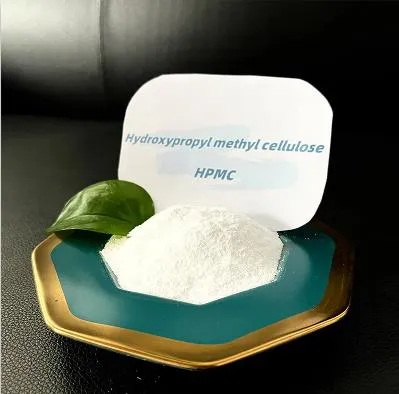
Hydroxypropyl methyl cellulose (HPMC) serves as a multifunctional polymer , gaining prominent attention across various industries due to its versatile nature. This formidable compound is a crucial component in pharmaceuticals, food products, personal care items, and construction materials. Its extensive applicability is owed to its unique properties, such as forming films, retaining moisture, and acting as a thickening agent. In pharmaceuticals, HPMC is praised for its role as an excipient in drug formulation. Its ability to control the release of active ingredients makes it invaluable for sustained-release medication. Clinical expertise confirms that HPMC’s inert behavior and biocompatibility ensure it doesn't interfere with drug efficacy, making it a go-to solution for developing efficient, patient-friendly pharmaceutical products. Research reports from credible institutions have consistently demonstrated that its consumption is safe, which garners trust among consumers and professionals alike. From an expertise standpoint, the construction industry benefits significantly from HPMC’s superior performance as an adhesive and thickening agent in tile adhesives, cement renders, and plasters. Its inclusion enhances workability, water retention, and open time, critical parameters in achieving durable and high-quality finishes. Renowned civil engineering manuals and authoritative construction experts frequently cite HPMC as a key ingredient in modern building materials, underscoring its authoritative stance in construction practices. The food industry's adoption of HPMC is equally robust, where it functions as an emulsifier and stabilizer. In gluten-free and vegetarian formulations, HPMC is highly valued for its ability to mimic the texture and structural properties that gluten provides. Professional food technologists often assert that this cellulose derivative is a game changer in creating palatable and appealing food products without compromising nutritional benefits. hpmc hydroxypropyl methyl cellulose In personal care, HPMC’s film-forming capabilities make it a primary component in shampoos, lotions, and creams. It offers moisture retention, enhancing the sensory feel and stability of cosmetic products. Dermatological studies endorse the incorporation of HPMC in skin care formulas for its hypoallergenic properties, fortifying its reputation for safety and effectiveness. Experience continues to reinforce HPMC's reliability across these domains. As companies have shifted towards more sustainable practices, HPMC has emerged as an environmentally friendlier alternative to synthetic chemicals, being biodegradable and ethically sourced from cellulose. Through decades of consistent application and research, experts have cemented its role as both a high-performance ingredient and a benchmark of integrity in product formulation. The trustworthiness of HPMC is not just anecdotal but statistically significant. Extensive laboratory testing and market analysis showcase its consistent quality and conformity to stringent international standards. This ensures that manufacturers and consumers can rely on HPMC without reservations about safety or performance, securing its place as a cornerstone in diverse product lines. As industries further explore innovative applications, the future of HPMC remains bright, backed by a rich foundation of experience, expertise, authority, and trustworthiness—qualities that continue to drive its global appeal and usage in product innovation.
-
Hydroxypropyl methylcellulose (HPMC) is a versatile and reliable polymer commonly adopted in various industries, known for its exceptional properties and diverse applications. Leveraging firsthand experience and expert knowledge can significantly enhance the understanding of HPMC's roles in product formulations and manufacturing processes, establishing its reputation for reliability and effectiveness. Manufacturers have long endorsed HPMC as a critical component in the pharmaceutical industry for its powerful film-forming capabilities, which are crucial in developing tablet coatings. These coatings serve multiple purposes, such as masking unpleasant tastes, protecting the active ingredients from environmental factors, and ensuring controlled release of medication, thus enhancing drug efficacy and patient compliance. Its non-toxic nature furthers its reliability, promoting trust among healthcare professionals and consumers alike, enforcing its authoritativeness in demanding healthcare applications. In the construction sector, HPMC is extensively utilized due to its ability to provide ideal water retention and workability in cement-based products, such as tile adhesives and renders. The material's consistency ensures seamless application and stable adhesion properties, which reduces shrinkage and cracking in cured cement, reinforcing structural integrity. Years of expertise in construction formulations underscore the importance of HPMC in achieving high-performance and durable outcomes, elevating its perceived trustworthiness among builders and contractors. Moreover, the food industry benefits from HPMC's flexibility as a dietary fiber supplement and an emulsifier . Its use in low-fat foods and gluten-free products demonstrates its indispensable role in delivering desirable textures and palatability while maintaining nutritional profiles. Chefs and food technologists acknowledge the polymer's capacity to stabilize foams and gels, underpinning its crucial function in modern culinary innovations, reinforcing its authoritative presence in food technology. hpmc is used as In the realm of cosmetics, HPMC showcases its multifaceted utility in formulating personal care products like lotions, creams, shampoos, and gels. Offering desirable viscosity control and moisture retention, it ensures optimal product performance that meets consumer expectations for skin and hair care. The confidence placed in HPMC by formulators and dermatological experts reinforces its credibility and promotes its widespread acceptance as a key functional ingredient in beauty products. Overall, HPMC's polymeric structure allows it to play integral roles across industries, emphasizing its superior functional benefits that stand the test of expert scrutiny. Its non-reactivity, environmental stability, and hydrophilic characteristics enhance its desirability across technical applications, reflecting a level of reliability and expert endorsement that other materials strive for but seldom achieve. The continued application and innovation around HPMC across diverse sectors underline its enduring reputation for quality and reliability. Drawing on comprehensive professional experiences and authoritative research, its versatility and effectiveness as a stabilizing and binding agent secure its forward-looking presence in cutting-edge product development. Industries can rely on such a trusted ingredient, secure in the knowledge that it will consistently meet and exceed expectations, underlining its indispensable role wherever it's used.
advantages
-

200000 Viscosities
Excellent product
We can produce pure products up to 200,000 viscosities
-

40000 tons
High yield
We don’t stop production all year round, and the annual output can reach 40,000 tons
-

24 hours
Quality service
We provide 24-hours online reception service, welcome to consult at any time
———— Inquiry Form
Schedule A services

-
 perekat_ubin_hpmc
Oct . 25, 2025
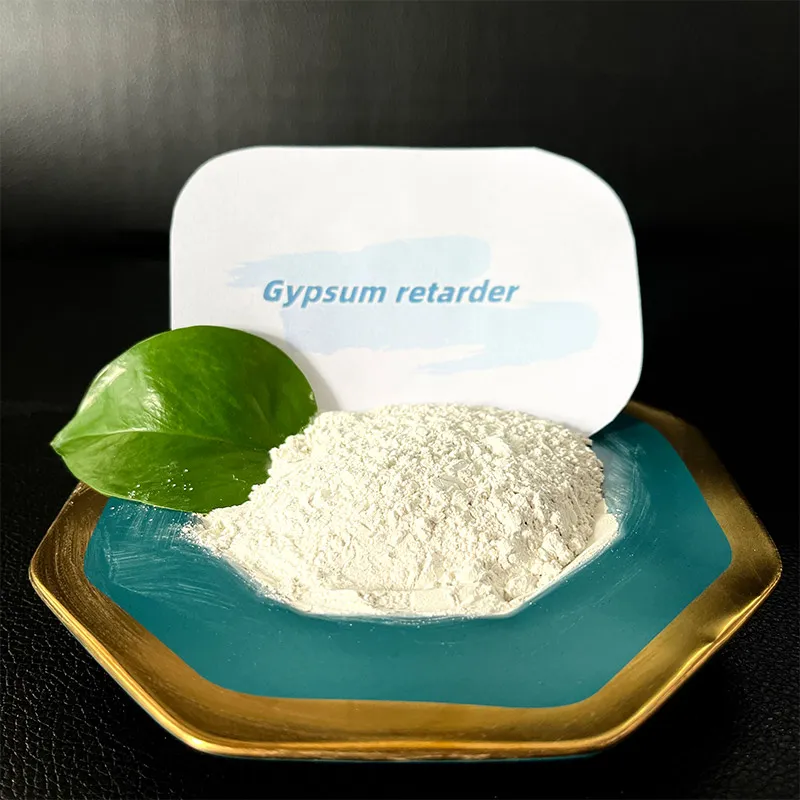
Hydroxypropyl methyl cellulose (HPMC) significantly influences the properties of cement mortar, part -
 difference_between_hpmc_k_and_e_series
Oct . 25, 2025
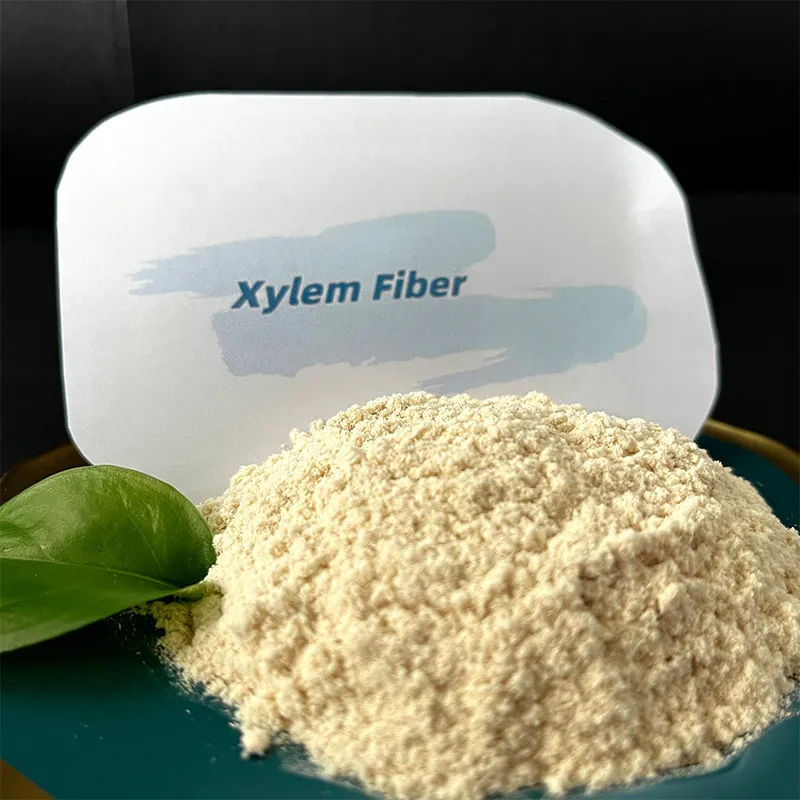
In the ever-evolving world of construction materials, HPMC cellulose has emerged as an essential add -
 hpmc_chemical
Oct . 25, 2025
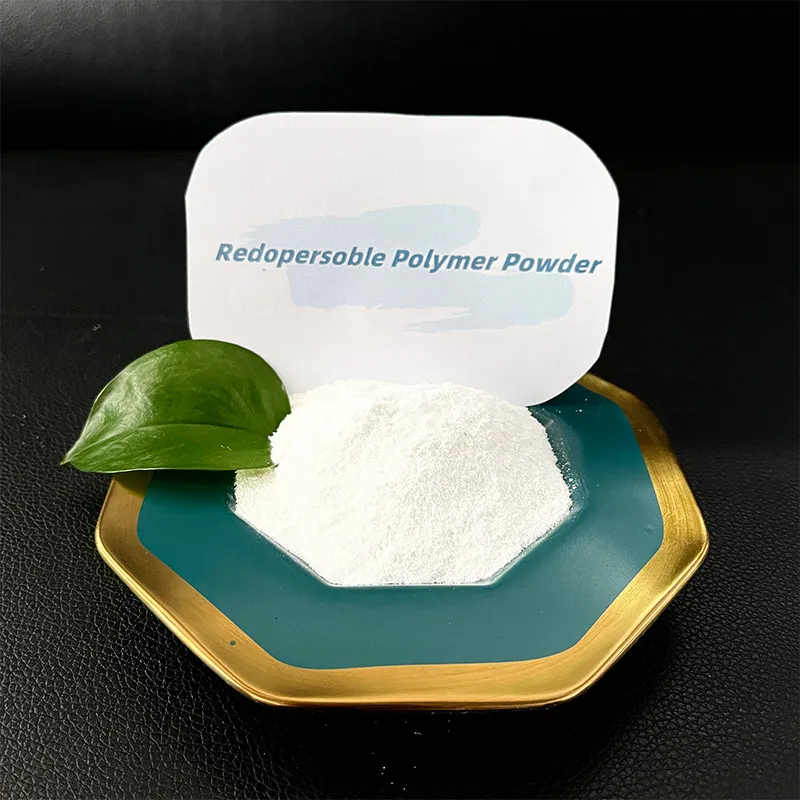
Hydroxypropyl methylcellulose (HPMC), particularly the K100LV grade, is an essential polymer frequen


